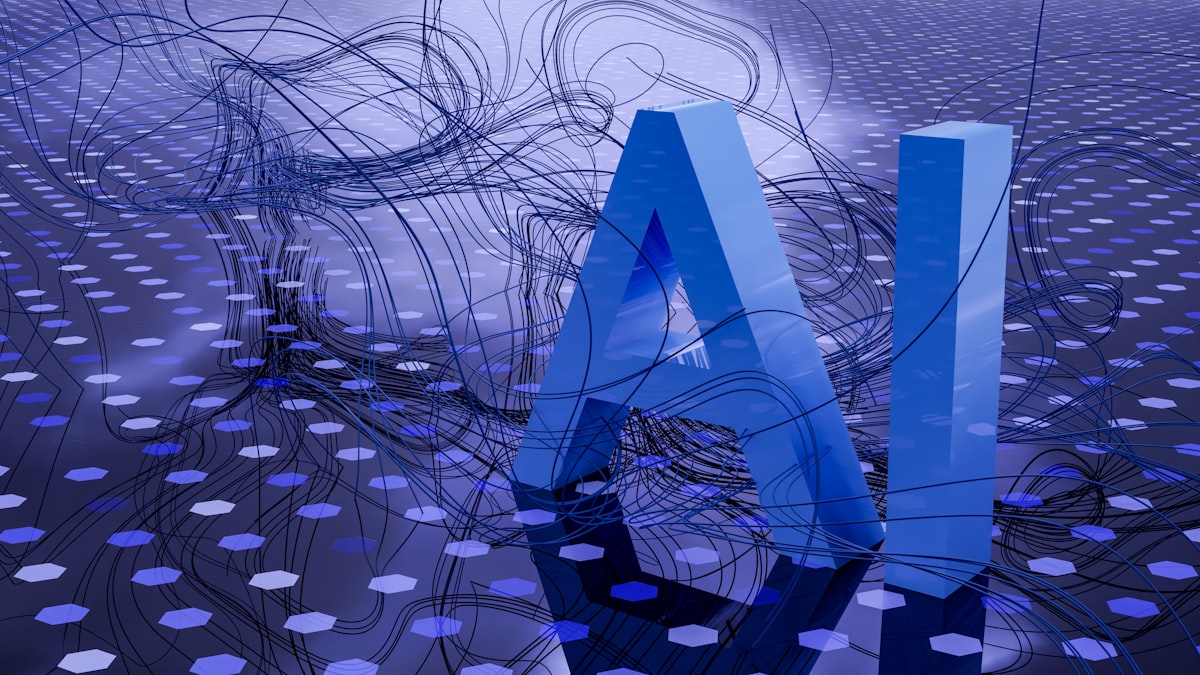
The Unstoppable Rise of Artificial Intelligence
Artificial intelligence has moved far beyond the realm of science fiction. In 2026, AI is not just a buzzword—it's the driving force behind a transformation that touches every aspect of our lives. From healthcare to finance, education to entertainment, intelligent systems are redefining what's possible. This article dives deep into the profound impact of AI, exploring the trends, challenges, and opportunities that define this new era.
AI in Healthcare: Saving Lives with Precision
One of the most compelling applications of AI is in healthcare. Machine learning algorithms can now analyze medical images with accuracy surpassing human radiologists. AI-powered diagnostic tools detect early signs of diseases like cancer, often years before they become symptomatic. Beyond diagnosis, AI is revolutionizing drug discovery by simulating molecular interactions, cutting years off the development timeline. For instance, AI models can predict which drug compounds are most likely to succeed, significantly reducing R&D costs.
Personalized Medicine
AI enables the creation of personalized treatment plans by analyzing a patient's genetic makeup, lifestyle, and environmental factors. This approach, often called precision medicine, ensures that therapies are tailored to the individual, maximizing efficacy and minimizing side effects. With the integration of wearable devices and health monitors, AI systems can provide real-time recommendations, empowering patients to take control of their health.
The Future of Work: AI as a Collaborative Partner
Contrary to fears of mass unemployment, AI is augmenting human capabilities rather than replacing them. In the workplace, AI handles repetitive tasks, freeing employees to focus on creative and strategic activities. Intelligent automation streamlines workflows, reduces errors, and increases productivity. For example, in customer service, AI chatbots handle routine inquiries, while human agents tackle complex issues that require empathy and judgment.
Upskilling for the AI Economy
As AI reshapes industries, the demand for new skills is skyrocketing. Understanding AI fundamentals, data literacy, and ethical considerations are becoming essential. Organizations are investing in training programs to help their workforce adapt. The master of modern programming paradigms, such as those discussed in The Art of Modern Programming: Mastering Skills for an AI-Driven World, is crucial for developing the next generation of AI-powered applications.
AI in Business: Driving Innovation and Efficiency
Businesses across sectors are leveraging AI to gain a competitive edge. Predictive analytics helps companies anticipate market trends, optimize supply chains, and personalize marketing campaigns. AI-powered recommendation engines, like those used by streaming services and e-commerce platforms, enhance customer experience and drive sales. Moreover, natural language processing (NLP) enables sentiment analysis, allowing companies to understand customer feedback at scale.
Ethical AI and Governance
With great power comes great responsibility. The rise of AI has sparked critical conversations about ethics, bias, and transparency. Ensuring that AI systems are fair and accountable is a top priority. Regulations like the EU's AI Act are setting standards for high-risk applications. Businesses must invest in ethical AI frameworks to build trust and avoid reputational damage. For deeper insights, explore Artificial Intelligence Beyond the Hype: Real-World Impact and Future Directions.
AI in Education: Personalized Learning for All
Education is undergoing a radical transformation thanks to AI. Adaptive learning platforms tailor content to each student's pace and style, closing achievement gaps. AI tutors provide instant feedback, helping students master difficult concepts. For educators, AI automates grading and administrative tasks, allowing them to focus on teaching. Virtual reality (VR) and AI combine to create immersive learning experiences that bring history, science, and art to life.
The Role of Teachers in an AI-Enhanced Classroom
AI is not replacing teachers; it's empowering them. By handling routine tasks, AI gives teachers more time to mentor and inspire. Professional development programs are evolving to help educators integrate AI tools effectively, ensuring that technology enhances rather than detracts from the human connection at the heart of education.
The Intersection of AI and Web Development
Web development in 2026 is increasingly AI-driven. From generating code to optimizing user experiences, AI is becoming an indispensable tool for developers. Tools like GitHub Copilot assist with code completion, while AI-powered design tools create responsive layouts. For more on the latest trends, read The Evolution of Web Development in 2026: What Every Developer Must Know. Developers who embrace AI will lead the next wave of innovation.
Challenges and Considerations
Despite its promise, AI faces significant challenges. Data privacy is a major concern, as AI systems often require vast amounts of personal data. Bias in training data can lead to discriminatory outcomes. Job displacement, while not as severe as predicted, is still a reality for certain sectors. Addressing these issues requires collaboration between technologists, policymakers, and society. The conversation must include diverse voices to ensure that AI benefits everyone.
Looking Ahead: The Next Frontier
As we look ahead, AI continues to evolve at a breathtaking pace. Breakthroughs in quantum computing promise to supercharge AI capabilities, while advancements in robotics bring AI into the physical world. The concept of artificial general intelligence (AGI) remains a long-term goal, but narrow AI is already achieving remarkable feats. To stay informed, follow Tomorrow's Innovations: Key Trends Reshaping Our World.
Conclusion
The AI revolution is not a distant future—it's happening now. By understanding and embracing this technology, we can harness its power to solve some of humanity's greatest challenges. The key is to approach AI with a blend of optimism and caution, ensuring that it serves as a tool for human flourishing. As you navigate this new landscape, remember that lifelong learning and adaptability are your greatest assets. The future belongs to those who are prepared to learn, unlearn, and relearn.
This article is part of our ongoing series on emerging technologies. Share your thoughts and experiences with AI in the comments below!