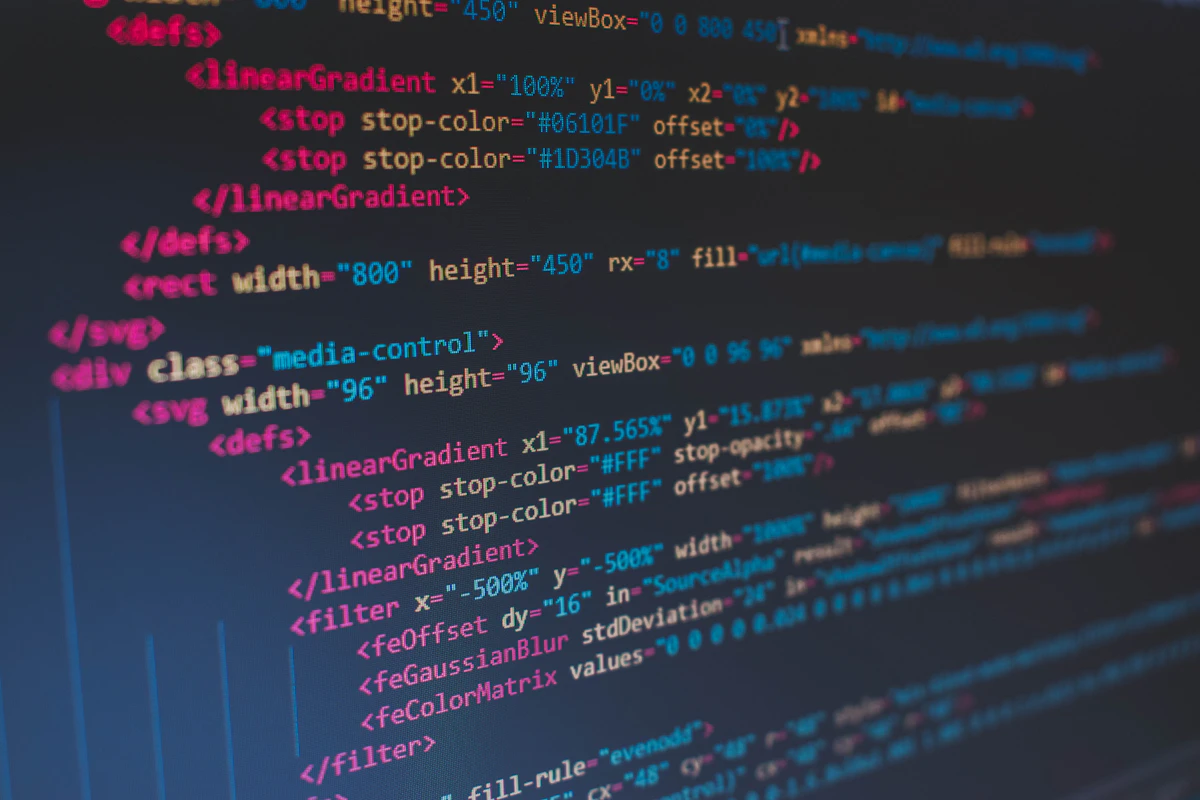
Writing clean, maintainable code is no longer an option—it's a necessity. As programming languages evolve and development speeds increase, the ability to produce code that is readable, efficient, and scalable is what separates good developers from great ones. In this article, we'll explore modern best practices, from naming conventions to testing, and see how they integrate with groundbreaking technologies AI and quantum computing.
Why Clean Code Matters Now More Than Ever
The pace of innovation is accelerating. With the rise of AI-assisted development tools, quantum computing influencing algorithms, and sustainable tech requirements, code must be robust enough to adapt. Clean code reduces bugs, cuts maintenance costs, and accelerates onboarding. It's the foundation for building complex systems that need to evolve, as discussed in The Convergence Wave.
Fundamentals of Clean Code
Readable Naming Conventions
Names should reveal intent. A variable named d is meaningless; daysSinceLastUpdate is clear. Use descriptive names for functions, classes, and variables. Avoid acronyms unless universally understood (e.g., API). Stick to a consistent naming style like camelCase for JavaScript/Java, snake_case for Python, and PascalCase for class names.
Don't Repeat Yourself (DRY)
Duplication leads to inconsistencies and increased error surface. If you find yourself copying code, extract it into a function or module. This principle is also key in AI model training, where data duplication can skew results.
Keep Functions Small and Focused
Each function should do one thing and do it well. A function that validates input, processes data, and writes to a database is too complex. Split it into validateInput(), processData(), and saveToDatabase(). This makes testing easier and logic more understandable.
Modern Tools and Techniques
Version Control and Collaboration
Use Git with a branching strategy like Git Flow or trunk-based development. Frequent commits with descriptive messages help track changes. Code reviews catch issues early and spread knowledge across the team.
Automated Testing
Write unit tests, integration tests, and end-to-end tests. Test-Driven Development (TDD) encourages writing tests before code, ensuring clear requirements. Continuous Integration/Continuous Deployment (CI/CD) pipelines automate testing and deployment, reducing manual errors.
Code Linters and Formatters
Tools like ESLint, Prettier, or Black enforce consistent style and catch potential errors. Integrate them into your editor and CI pipeline for automatic formatting on save or commit.
Best Practices by Language
Python
- Use type hints for better readability and to enable static analysis.
- Follow PEP 8, the style guide for Python code.
- Leverage virtual environments to manage dependencies.
- Use list comprehensions and generator expressions judiciously.
JavaScript/TypeScript
- Prefer
constoverletfor immutable variables. - Adopt modern ES6+ features like arrow functions, template literals, and destructuring.
- Use async/await for asynchronous code to avoid callback hell.
- TypeScript adds static typing, improving maintainability in large projects.
Go
- Keep package names short and concise.
- Use
err != nilfor error handling; don't ignore errors. - Leverage goroutines and channels for concurrency without locks.
Advanced Concepts for 2026
AI-Assisted Code Generation
AI tools like GitHub Copilot are becoming standard. They can suggest code snippets whole functions. However, human oversight is crucial to ensure accuracy and security. Treat AI suggestions as a starting point, not final code.
Quantum Computing and Programming
Quantum algorithms require a new paradigm. While most developers won't need to write Shor's algorithm daily, understanding the principles helps in future-proofing. Some libraries like Qiskit allow classical developers to experiment with quantum circuits. This synergy is explored in Quantum Computing and AI.
Edge AI and Microservices
With the rise of IoT, code is moving to the edge. Microservices architectures are common, but they require careful design of APIs and data flow. Use containerization (Docker) and orchestration (Kubernetes) to manage complexity.
Real-World Example: Refactoring a Legacy System
Imagine a monolithic e-commerce application with tangled code. Start by extracting inventory logic into a service. Write automated tests for the extracted functionality. Then, break down the UI layer into components. Use consistent REST API endpoints. This gradual refactoring reduces risk while improving maintainability.
Conclusion
Clean code is not a one-time fix but an ongoing practice. It allows you to build systems that are flexible, testable, and ready for the future. Embrace modern tools, stay update on language features, and never underestimate the value of readability. For more insights on the evolving tech landscape, check out The Next Wave.
Remember: code is for humans first, computers second. Write with empathy for your future self and your teammates.