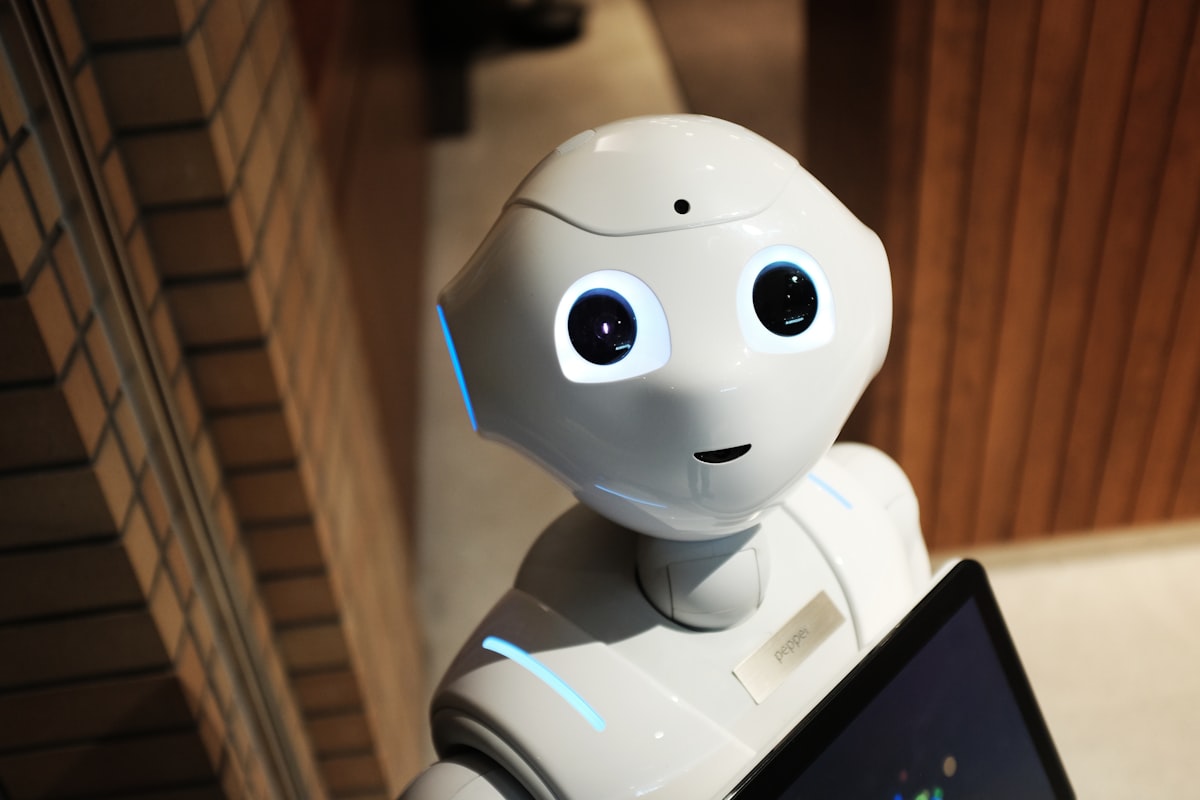
The Quiet Transformation
Artificial intelligence has moved beyond the hype. In 2026, AI is not just a tool we use; it is a silent partner in nearly every aspect of our lives. From the moment we wake to personalized news briefings to AI-assisted medical diagnoses, the revolution is already here. Yet, much of it happens behind the scenes, invisible to the average person. This article explores how AI is reshaping our world in profound and often unexpected ways.
AI in Our Daily Lives
AI-powered assistants have become ubiquitous. They manage our schedules, control smart homes, and even anticipate our needs. But beyond these consumer applications, AI is transforming industries like healthcare, finance, and transportation.
Healthcare: A New Era of Precision Medicine
In 2026, AI algorithms assist doctors in diagnosing diseases with unprecedented accuracy. For instance, AI can analyze medical images to detect early signs of cancer, often before symptoms appear. This not only saves lives but reduces healthcare costs. Furthermore, personalized treatment plans powered by AI are becoming the norm, tailoring therapies to individual genetic profiles.
Finance: Smarter, Faster, Safer
The financial sector relies heavily on AI for fraud detection, risk assessment, and algorithmic trading. AI systems can process millions of transactions in real time, flagging suspicious activity instantly. Additionally, robo-advisors manage investment portfolios for millions of users, offering personalized advice based on market trends and individual goals.
Transportation: The Road to Autonomy
Self-driving cars are no longer science fiction. While fully autonomous vehicles are not yet mainstream, advanced driver-assistance systems (ADAS) are standard in many new cars. AI also optimizes traffic flow in smart cities, reducing congestion and emissions. Public transit systems use AI to predict demand and adjust schedules dynamically.
Education: Personalized Learning for All
AI tutors provide individualized instruction, adapting to each student's learning style and pace. This democratizes education, making high-quality tutoring accessible to students worldwide. Schools use AI to identify students at risk of falling behind, allowing for early intervention.
The Ethical Frontier
With great power comes great responsibility. The widespread adoption of AI raises critical ethical questions. How do we ensure AI is fair and unbiased? What about privacy and data security? And what happens to jobs as automation increases?
Bias and Fairness
AI systems learn from data, and if that data contains biases, the AI will perpetuate them. For example, hiring algorithms have been known to discriminate against certain demographics. Companies and researchers are working on techniques to detect and mitigate bias, but it remains an ongoing challenge.
Privacy in the Age of AI
AI's ability to analyze vast amounts of personal data is both a boon and a threat. Striking a balance between utility and privacy is crucial. Regulations like GDPR have set standards, but enforcement varies globally.
The Future of Work
Automation will inevitably displace some jobs, but it will also create new ones. The key is to invest in education and retraining programs so that workers can transition to roles that complement AI. As discussed in The Next Frontier: Future Trends Reshaping Society and Technology, emerging fields like AI ethics, data science, and human-AI collaboration are growing rapidly.
Emerging Trends in AI
Several trends are shaping the future of AI. One is the rise of edge computing, which allows AI to run on devices rather than in the cloud, reducing latency and improving privacy. Another is the development of explainable AI, making AI decisions more transparent and understandable.
Edge Computing and Decentralized Intelligence
Edge AI enables real-time processing on smartphones, IoT devices, and even cars. This is critical for applications like autonomous driving, where split-second decisions are necessary. For more on this, see Edge Computing and the Next Wave of Decentralized Intelligence.
AI and Creativity
AI is also making inroads into creative fields. From generating art and music to writing articles, AI is becoming a collaborator rather than a replacement. This has sparked debates about originality and authorship.
Preparing for an AI-Powered Future
To thrive in this new era, individuals and organizations must adapt. Continuous learning is essential. Embrace tools that augment your abilities rather than fear them. Governments and businesses should collaborate to create policies that foster innovation while protecting citizens.
The AI revolution is not a distant event; it is happening now. By understanding its impact and preparing for its challenges, we can harness its potential for the greater good. For a deeper dive into how intelligent systems are redefining our world, check out The AI Revolution: How Intelligent Systems Are Redefining Our World.