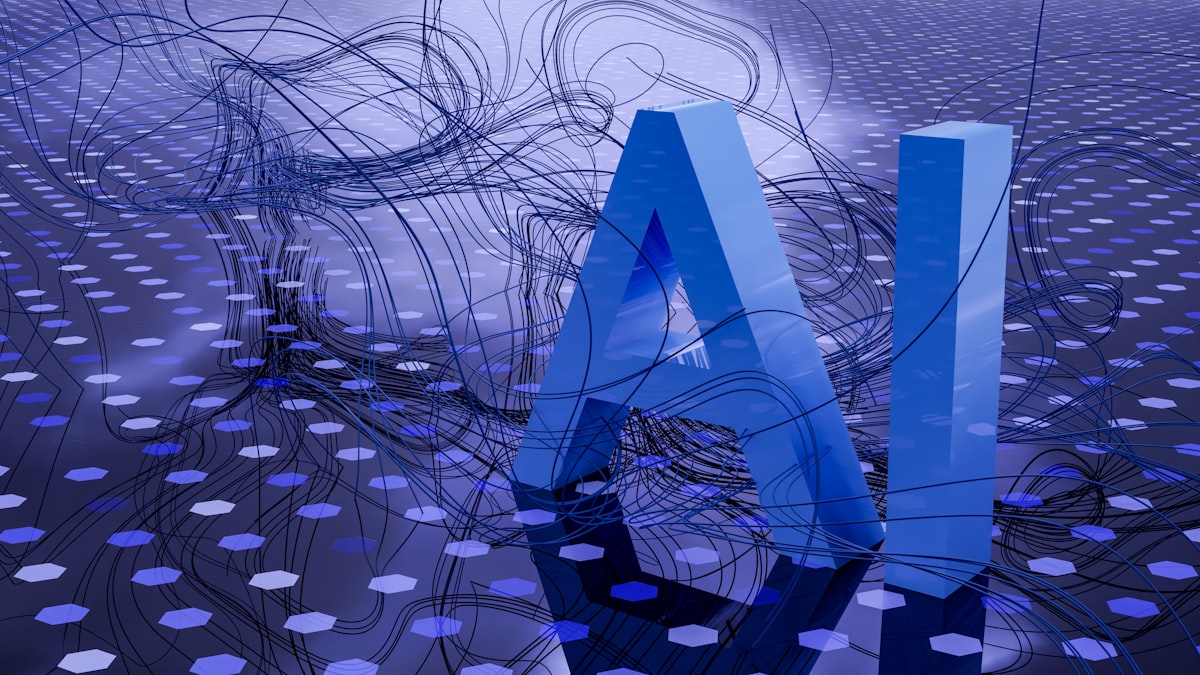
Artificial intelligence has quietly woven itself into the fabric of daily existence. From the moment we wake to the chime of a smart alarm that learns our sleep patterns, to the personalized news feeds that curate our morning commute, AI operates behind the scenes. Yet its most profound impacts are just beginning to surface, promising to redefine not just how we work and play, but how we think about intelligence itself.
The Quiet Infrastructure of AI
Much of today's AI is invisible, embedded in the systems that power modern life. Recommendation algorithms shape our entertainment, fraud detection safeguards our finances, and predictive text speeds our communication. These systems rely on machine learning models trained on vast datasets, improving over time through feedback loops. As these models grow more sophisticated, they move beyond simple pattern recognition into areas once thought uniquely human.
AI in Healthcare: From Diagnosis to Personalized Treatment
One of the most promising frontiers is healthcare. AI-powered diagnostic tools now analyze medical images with accuracy rivaling specialists. For instance, deep learning models can detect early signs of diseases like cancer or diabetic retinopathy from scans, often catching subtle anomalies the human eye might miss. Beyond diagnosis, AI enables personalized treatment plans by analyzing genetic data, lifestyle factors, and historical outcomes. This shift toward precision medicine promises to improve efficacy while reducing side effects.
Challenges in Adoption
Yet integration faces hurdles: data privacy concerns, regulatory compliance, and the need for transparent algorithms that clinicians can trust. As explored in Artificial Intelligence in 2026: The Unseen Revolution Reshaping Everyday Life, these challenges are being addressed through collaborative frameworks between tech companies and healthcare providers.
The Workplace: Augmentation, Not Replacement
Fear of job displacement often dominates headlines, but a more nuanced reality is emerging. AI excels at automating repetitive tasks—data entry, scheduling, basic customer queries—freeing humans for creative and strategic work. In software development, AI-powered coding assistants boost productivity by suggesting code snippets, catching bugs, and even generating boilerplate. For a deeper dive into how developers are adapting, see Mastering the Code: Essential Programming Skills for the Future.
New Roles and Skills
This augmentation creates demand for new skills: prompt engineering, AI ethics, and data literacy. Companies now seek professionals who can bridge the gap between domain expertise and AI capabilities. The line between "tech" and "non-tech" roles blurs as everyone interacts with intelligent systems.
Ethical AI: A Non-Negotiable Priority
With great power comes great responsibility. Biased algorithms can perpetuate societal inequalities, opaque decision-making raises accountability questions, and autonomous systems pose safety risks. The push for ethical AI includes fairness audits, explainability techniques, and regulatory guidelines. Initiatives like the EU's AI Act and similar frameworks globally aim to ensure AI serves humanity equitably.
The Role of Edge Computing
Interestingly, ethical concerns intersect with technical architecture. Decentralizing AI processing through edge computing reduces reliance on centralized cloud servers, enhancing privacy and lowering latency. This approach is particularly vital for real-time applications like autonomous vehicles or industrial robotics. Learn more in Edge Computing and the Next Wave of Decentralized Intelligence.
AI and Creativity: A New Renaissance
Generative AI has upended creative fields. Artists produce stunning visuals from text prompts, musicians compose symphonies with AI collaborators, and writers generate drafts at lightning speed. While some fear this devalues human creativity, others see it as a tool for exploration. The best results often come from human-AI partnerships: the AI handles rote generation, the human curates, refines, and injects soul.
The Road Ahead: What to Expect by 2030
Looking forward, several trends will accelerate: multimodal AI that seamlessly processes text, image, and sound; autonomous agents that perform complex tasks across domains; and AI systems that learn with minimal data. Quantum computing may unlock entirely new capabilities, as discussed in Quantum Computing Breaks Through: What It Means for the Future of Tech. But the most profound shift may be societal: as AI becomes more capable, we must grapple with what it means to be human in an age of synthetic intelligence.
Embracing the Revolution
The AI revolution is not a distant event—it is happening now, in the algorithms that recommend your next read, the navigation that guides your route, and the smart home that adjusts your thermostat. By staying informed and engaged, we can shape this revolution to amplify human potential rather than diminish it. The future is not something to fear; it is something to build, thoughtfully and together.