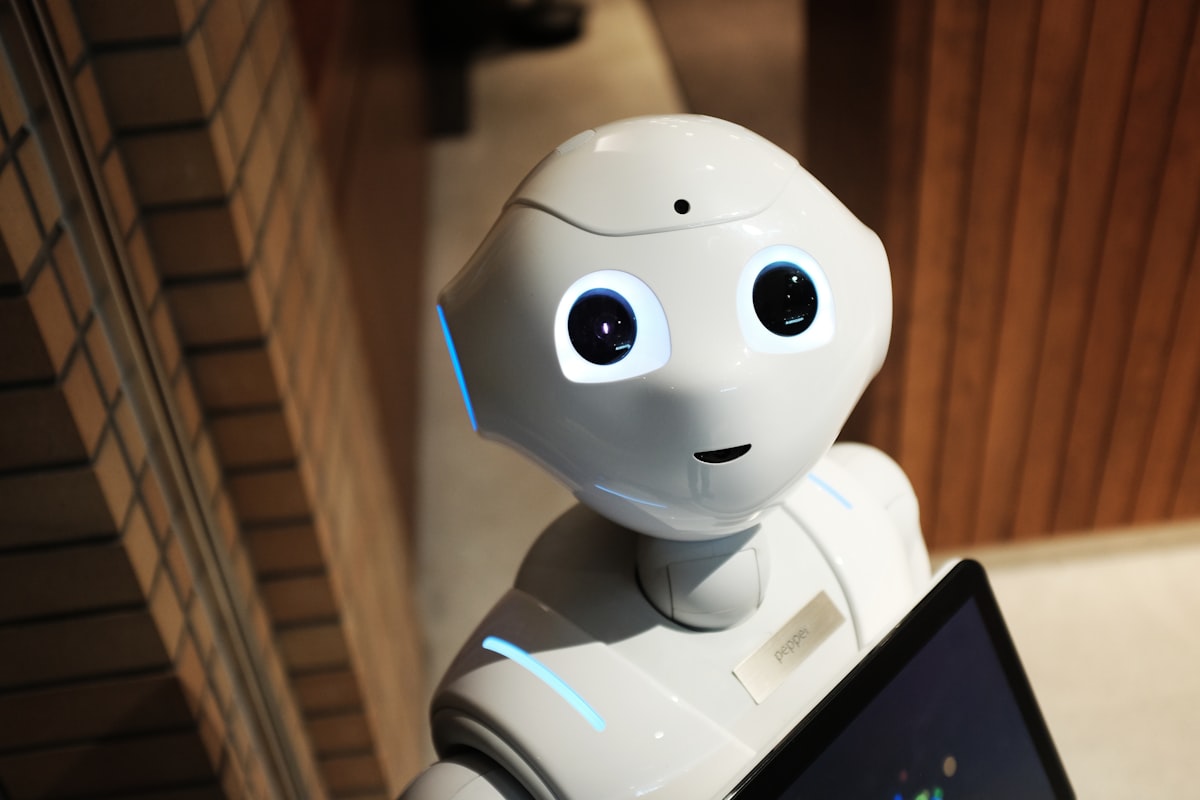
Artificial Intelligence has transcended from a futuristic concept to a foundational technology reshaping every facet of our lives. As we navigate 2026, AI is no longer just about automation—it's about augmentation, creativity, and unlocking unprecedented opportunities. In this article, we'll explore the key trends, challenges, and the transformative potential of AI across industries.
The State of AI in 2026
Today, AI is deeply integrated into everyday tools and enterprise systems. From generative AI models that craft human-like text to computer vision systems that diagnose diseases with superhuman accuracy, the pace of innovation is breathtaking. One of the most exciting developments is the rise of multimodal AI, which can process and generate text, images, audio, and video seamlessly. This convergence is enabling new forms of human-machine collaboration, as discussed in Beyond the Algorithm: The Next Frontier in Human-Machine Collaboration.
AI in Healthcare: Saving Lives and Reducing Costs
Healthcare has been one of the earliest adopters of AI, and the results are staggering. AI-powered diagnostic tools can detect cancers from medical imaging with greater accuracy than human radiologists. Predictive analytics models help hospitals manage patient flow and reduce readmission rates. Moreover, drug discovery—a traditionally slow and expensive process—is being accelerated by generative AI models that can design novel molecular structures.
Key Applications
- Medical Imaging: AI algorithms analyze X-rays, MRIs, and CT scans to flag anomalies.
- Personalized Medicine: Machine learning tailors treatment plans based on genetic data.
- Virtual Health Assistants: Chatbots provide 24/7 patient support and triage symptoms.
AI in Finance: Smarter Decisions, Enhanced Security
Financial institutions are leveraging AI to detect fraud in real time, automate trading strategies, and offer personalized financial advice. Natural language processing (NLP) models parse through vast amounts of news and reports to inform investment decisions. The integration of AI with blockchain is also creating more transparent and secure transaction systems. As the financial sector evolves, the skills required for professionals are shifting, as highlighted in Mastering the Code: Essential Programming Skills for the Future.
AI in Manufacturing: The Rise of Smart Factories
Industry 4.0 is becoming a reality with AI-driven automation. Smart factories use AI to optimize production lines, predict maintenance needs, and manage supply chains efficiently. Computer vision monitors quality control, while robotics perform complex assembly tasks. The fusion of AI with edge computing enables real-time decision-making at the factory floor, a topic explored in The Fusion of AI and Edge Computing Unlocking Real-Time Intelligence.
The Ethical Imperative: Responsible AI
With great power comes great responsibility. The widespread adoption of AI has raised concerns about bias, privacy, and job displacement. Researchers are focusing on developing fair, transparent, and accountable AI systems. Regulations like the European Union's AI Act are shaping how companies deploy AI. Building trust in AI is not just a technical challenge but a societal one.
Principles of Responsible AI
- Fairness: Algorithms should not discriminate based on race, gender, or socioeconomic status.
- Transparency: AI decisions should be explainable and auditable.
- Privacy: Data used by AI must be handled with strict security measures.
- Human Oversight: Critical decisions should involve human judgment.
AI and the Future of Work
Instead of replacing humans, AI is augmenting our capabilities. Routine tasks are automated, freeing up time for creative and strategic work. New job categories—such as AI ethicists, prompt engineers, and data storytellers—are emerging. Upskilling is essential; professionals need to embrace lifelong learning. The integration of AI with web development is also creating more dynamic and personalized user experiences, as seen in Web Development in 2026: Trends, Tools, and Best Practices for Modern Developers.
The Convergence with Other Tech Trends
AI does not operate in a silo. Its convergence with quantum computing, the Internet of Things (IoT), and advanced robotics is unlocking new frontiers. For instance, quantum-powered AI could solve optimization problems that are currently intractable. Edge AI enables real-time processing on devices, reducing latency and bandwidth usage. These synergies are part of a broader technological transformation described in The Next Wave: Key Trends Shaping Our World Beyond Hype.
Preparing for an AI-Driven World
Organizations and individuals must prepare for the changes ahead. Here are actionable steps:
- Invest in AI Literacy: Understand the basics of AI and its implications.
- Adopt a Data-Driven Culture: High-quality data is the fuel for AI.
- Collaborate with AI: View AI as a partner, not a threat.
- Stay Informed: Follow developments in AI ethics and policy.
Looking Ahead
The journey of AI is just beginning. We are moving toward artificial general intelligence (AGI), but the timeline remains uncertain. What is clear is that AI will continue to shape our world in profound ways. By embracing its potential while addressing its risks, we can harness AI for the greater good. For more insights on the trends shaping our future, read Future Trends That Will Reshape Our World.