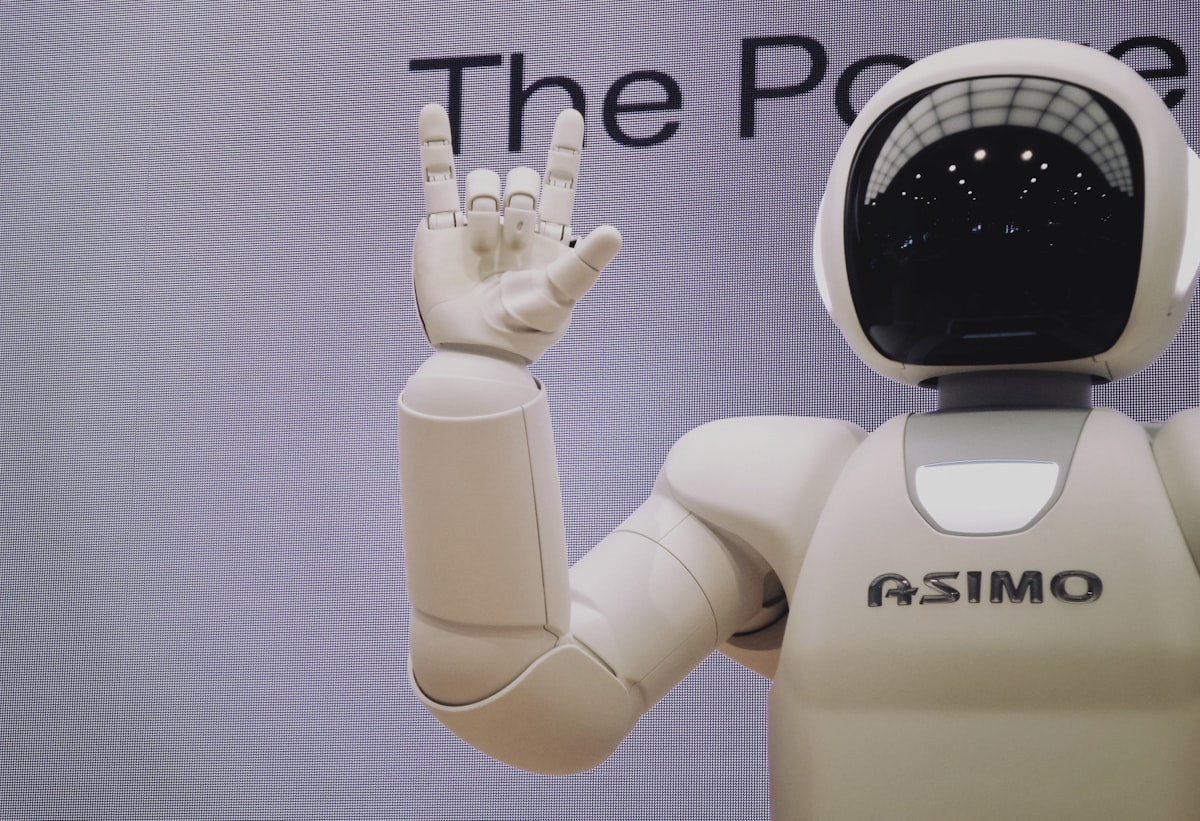
The Convergence of AI, Quantum Computing, and Edge Processing
Technology in 2026 is defined by convergence. No longer operating in silos, artificial intelligence, quantum computing, and edge processing are merging to create solutions once deemed impossible. This synergy is driving unprecedented efficiency, personalization, and automation across industries. As explored in Artificial Intelligence: The Engine Driving the Next Decade of Innovation, AI continues to be the catalyst, but now it is amplified by quantum capabilities and real-time edge analytics.
Quantum Computing Breaks Barriers
Quantum computing has moved from theory to limited commercial application. Major cloud providers now offer quantum-as-a-service, enabling businesses to solve complex optimization problems in logistics, drug discovery, and cryptography. Unlike classical bits, qubits process multiple states simultaneously, reducing computation times from years to minutes. For instance, pharmaceutical companies are using quantum simulations to model molecular interactions, accelerating drug development by orders of magnitude.
Edge AI: Intelligence Where It Matters
Edge computing brings processing power closer to data sources, reducing latency and bandwidth usage. In 2026, edge AI devices—from smart cameras to industrial sensors—can run sophisticated models locally. This shift is critical for autonomous systems, such as self-driving cars and drones, which demand split-second decisions. Retailers use edge analytics for real-time inventory management, while healthcare providers deploy edge-enabled wearables for continuous patient monitoring.
Web Development in the Age of AI Assistants
The web development landscape has transformed radically. AI-powered code generators and no-code platforms enable even non-developers to create complex applications. However, this democratization increases the demand for robust, secure, and scalable underlying code. Modern developers must master both traditional languages and AI tooling. As highlighted in Web Development in 2026: Trends and Best Practices, staying ahead requires embracing component-based architectures, SSR with Next.js, and integrating AI APIs for features like personalized content and chatbots.
The Rise of WebAssembly and Modular Micro-Frontends
WebAssembly (Wasm) has become a standard for running high-performance code in browsers. Developers compile C++, Rust, or Go into Wasm modules for tasks like video editing, 3D rendering, and scientific computing. Combined with micro-frontends—independent, deployable UI components—teams can build and update parts of an app without disrupting the whole. This modularity accelerates development cycles and enhances maintainability.
AI-Powered Code Review and Testing
Automated code review tools now leverage generative AI to catch bugs, suggest optimizations, and even enforce style guides. Testing frameworks integrate with CI/CD pipelines to generate test cases based on code changes, reducing human error and freeing developers for creative problem-solving. As programming evolves, understanding AI’s role becomes essential—a topic further explored in The Future of Programming in 2026.
Consumer Tech: Immersive and Invisible
On the consumer front, technology is becoming both more immersive and more invisible. Augmented reality glasses are finally seeing mainstream adoption, offering navigation overlays, hands-free tutorials, and real-time translations. Smart home devices predict user needs without explicit commands, adjusting lighting, temperature, and music based on biometric and contextual data.
The Internet of Bodies
Wearable sensors now monitor more than steps; they track glucose levels, hydration, heart rhythms, and even stress markers via galvanic skin response. These devices feed health data into AI personal assistants that provide proactive wellness recommendations. The line between health tech and general consumer electronics is blurring, prompting new privacy regulations.
The Ethical and Environmental Imperative
With great power comes great responsibility. The tech industry faces growing scrutiny over resource consumption, data privacy, and algorithmic bias. Data centers emit significant carbon, prompting companies to invest in renewable energy and more efficient cooling. On the ethical front, frameworks for responsible AI deployment are becoming standard, including transparency in decision-making and bias audits.
Sustainable Computing
Green software engineering principles are now part of curricula. Developers optimize code for energy efficiency, minimize data transfers, and use serverless architectures that scale down to zero when idle. Hardware manufacturers design chips with power efficiency in mind, and the push for a circular economy encourages device repairability and recycling.
Preparing for the Next Wave
The pace of change requires continuous learning. The Next Wave: Key Trends Shaping Our World Beyond Hype offers a deeper look into emerging technologies like brain-computer interfaces and autonomous AI agents. Staying informed and adaptable is the only constant. Organizations must foster cultures of experimentation, upskill their workforce, and prioritize ethical considerations to thrive in this new era.
Technology is not just about gadgets; it is about augmenting human potential and solving global challenges. The next decade will test our ability to wield these tools wisely, ensuring progress benefits all.