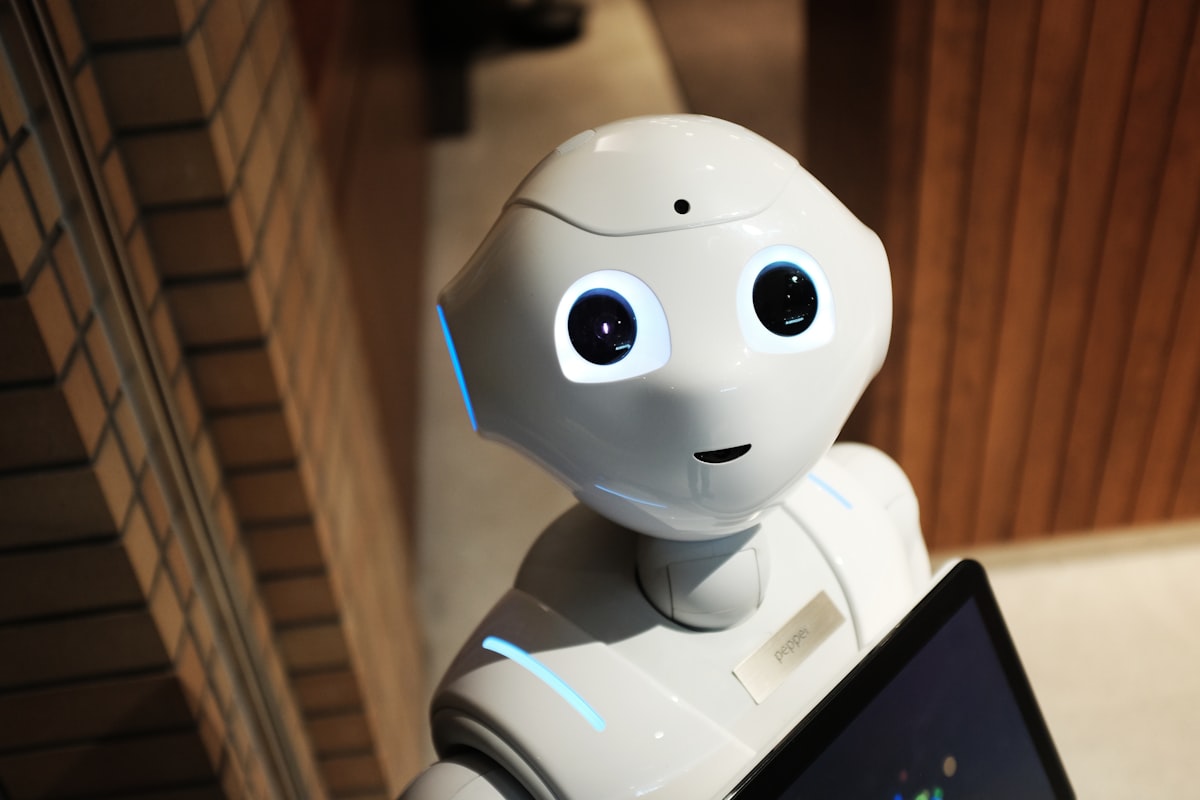
Introduction: Beyond Automation
We stand at a pivotal moment in technological history. For decades, discussions around artificial intelligence have oscillated between utopian promises and dystopian fears. But the emerging narrative is more nuanced and exciting: we are entering the age of symbiotic intelligence, where humans and AI don't just coexist but actively co-create. This shift is already reshaping industries, from healthcare to education, and it's driven by several converging trends.
The Evolution of Human-AI Collaboration
The first wave of AI focused on automation—replacing repetitive tasks. The second wave focused on augmentation—enhancing human capabilities. The third wave, which is gaining momentum now, is about collaboration. In this paradigm, AI systems are not tools but partners that can think, adapt, and even challenge human ideas.
From Tools to Teammates
Modern AI assistants are evolving into proactive agents. For example, in software development, AI can now not only autocomplete code but also suggest architectural improvements, identify edge cases, and even write test cases autonomously. This is not about replacing developers but about amplifying their creativity. For a deeper dive into this shift, check out The Art of Clean Code: Writing Software That Lasts Beyond the Hype, which explores how maintainable code becomes even more critical when AI is your co-author.
The Rise of Collective Intelligence
Platforms that aggregate human and machine intelligence are becoming more common. Crowdsourcing combined with AI filtering can solve complex problems faster than either alone. For instance, in medical research, AI analyzes vast datasets while human researchers provide context and intuition. This hybrid approach is accelerating breakthroughs in drug discovery and personalized medicine.
Edge AI and Real-Time Collaboration
One of the key enablers of symbiotic intelligence is edge computing. By processing data locally, edge AI reduces latency and enables real-time interaction. Imagine a surgeon using an AI-powered headset that overlays critical information during a procedure, updated instantaneously. This fusion of AI and edge computing is explored in detail in The Fusion Age: How AI and Edge Computing Are Redefining Technology.
Case Study: Smart Cities
In smart cities, edge AI nodes monitor traffic, air quality, and energy usage, but they also learn from human behavior. When citizens report an issue via an app, the AI can correlate that with sensor data and suggest solutions. The city becomes a living system where every interaction improves the whole. For a broader perspective on these shifts, read Emerging Trends That Will Define the Next Decade.
Ethical Considerations in Symbiotic Systems
As AI takes on more decision-making, ethical frameworks must evolve. Key questions include:
- Transparency: How do we ensure users understand when and how AI influences decisions?
- Bias: How do we prevent AI from amplifying existing inequalities?
- Autonomy: How do we maintain human oversight without stifling innovation?
These are not just technical challenges but societal ones. Organizations are increasingly adopting human-in-the-loop systems where AI makes recommendations but final decisions rest with humans. This balance is crucial for trust.
The Role of Regulation
Governments are starting to craft legislation that promotes innovation while protecting citizens. The European Union's AI Act is a leading example, categorizing AI applications by risk and imposing requirements for high-risk systems. Expect similar frameworks globally, encouraging responsible development.
A Glimpse into Tomorrow: Augmented Creativity
Perhaps the most exciting frontier is augmented creativity. AI can now help writers overcome writer's block, generate music, design novel architectural forms, and even suggest scientific hypotheses. The key is that the human remains the curator, the source of purpose and emotional resonance. For a look at how this plays out in web development, see The Future of Web Development: Trends, Tools, and Best Practices for 2026 and Beyond.
Example: AI-Assisted Storytelling
Tools like GPT-based models can draft narratives based on themes or characters provided by the author. The writer then refines, adds depth, and infuses personal voice. The result is a blend of computational efficiency and human soul. This collaborative process is being taught in universities, preparing students for a world where AI is a creative partner.
Industries Leading the Way
Several sectors are pioneering symbiotic intelligence:
- Healthcare: AI diagnostic tools work alongside doctors to detect diseases early. Radiologists, for example, use AI to highlight areas of concern in scans, reducing error rates.
- Education: Adaptive learning platforms tailor content to each student's pace and style, while teachers focus on mentorship and critical thinking.
- Manufacturing: Cobots (collaborative robots) work alongside humans, handling heavy lifting while humans make quality decisions.
- Finance: AI fraud detection systems analyze transactions in real-time, with human experts examining flagged cases.
For a deep dive into how AI is reshaping our world, don't miss The AI Revolution in 2026: How Smarter Systems Are Reshaping Our World.
Challenges Ahead
Despite the promise, challenges remain. Integration is complex; legacy systems need to be adapted. Data privacy concerns escalate when AI requires continuous data flow. And there is the fear of job displacement, though many experts believe new roles will emerge. The key is reskilling and lifelong learning.
Conclusion: Embracing the Symbiosis
The future is not about humans versus machines; it's about synergy. As we design these systems, we must prioritize human values—empathy, creativity, ethical judgment. The trends are clear: AI will become more integrated into our daily lives, not as a replacement but as an enhancer. By embracing symbiotic intelligence, we can tackle challenges that once seemed insurmountable. The journey has just begun, and it promises to be the most collaborative era in human history.